
What is a Phase IV Clinical Trial?
Phase IV clinical trials, also known as post-marketing surveillance trials, are conducted after a drug has been approved by regulatory agencies and made available to the public. This phase involves the long-term study of the therapeutic drug’s effectiveness and safety in a broad, general population. The primary aim of Phase IV is to detect any long-term or rare side effects and to monitor the drug’s performance over an extended period.
The Importance of Phase IV Trials
Even after a drug has been through the rigorous testing of Phase I, II, and III trials and received approval, there remain important questions that can only be answered through Phase IV trials. These include:
- Long-term Safety: Phase IV trials are crucial for understanding the long-term safety profile of drugs, including any rare or delayed side effects that may not have appeared during earlier phases.
- Effectiveness Over Time: These trials assess how well a drug works when it is used over a prolonged period and in a much larger population than clinical trials typically involve.
- Quality of Life and Cost-Effectiveness: Additional aspects like the impact on patients’ quality of life and the cost-effectiveness of the drug in real-world settings are also studied.
How Phase IV Trials Work
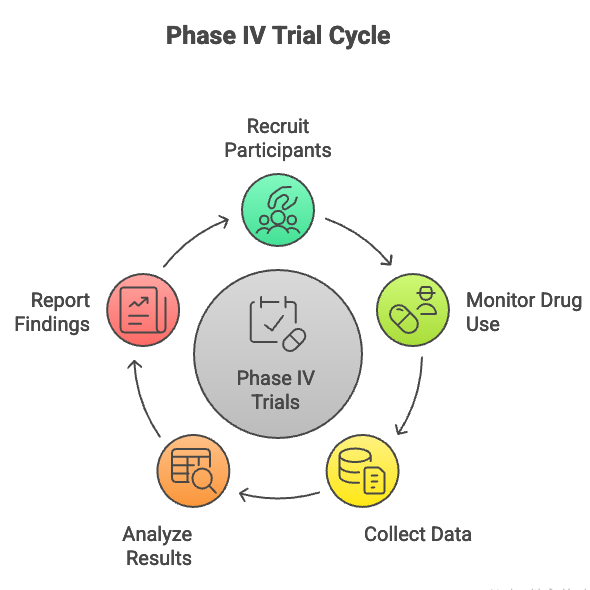
Phase IV trials involve several thousand volunteers who have the condition for which the drug has been approved. These participants are monitored under the usual conditions in which the treatment is used, allowing researchers to collect valuable data on how the drug performs in daily medical practice.
Key Features of Phase IV Trials:
- Extensive Participation: These trials can include thousands of participants across multiple centers.
- Real-World Monitoring: They offer a unique insight into how the drug functions outside the controlled environments of earlier trial phases.
- Safety Tracking: Ongoing monitoring helps ensure that any potential risks associated with long-term use are identified and managed.
Why Phase IV Trials Matter to You
Phase IV clinical trials are not only a regulatory requirement but are also of great significance to healthcare providers and patients. They help in:
- Ensuring Drug Safety: By continuously monitoring the effects of the drug, these trials help in maintaining a high standard of drug safety.
- Informing Clinical Practices: The insights from Phase IV trials can lead to improved guidelines for using the drug and can influence decisions on whether the drug should continue to be available.
- Empowering Patients: Knowing that a drug is being continually monitored for safety gives patients confidence in their treatment options.
Exploring Ongoing Phase IV Studies
Our platform provides a comprehensive interface for accessing information on ongoing Phase IV clinical trials. It serves as a valuable resource for patients seeking insights into long-term treatment efficacy and safety, as well as for healthcare professionals interested in the latest data on post-market drug surveillance. By exploring our database, users can access a wide range of studies across various conditions, offering detailed information about each trial’s scope and objectives. This functionality is designed to support informed decision-making in both clinical and personal health contexts.
Discover More About Clinical Trials
For those interested in gaining a deeper understanding of the clinical trial process as a whole, our website also features a detailed article that outlines all clinical trial phases, from Phase I through Phase IV. This article provides a broad overview of each phase, helping you understand the critical role they play in medical research. We encourage you to read this comprehensive guide to enhance your knowledge of clinical trials and better navigate our platform.