
What is a Phase III Clinical Trial?
Phase III clinical trials are among the most crucial stages in the development of new treatments. They are designed to confirm the effectiveness of a medication, monitor adverse reactions, compare it to standard treatments, and collect comprehensive safety data. This phase involves a larger group of patients, typically ranging from several hundred to several thousand, who have the condition that the medication aims to treat.
Purpose of Phase III Trials
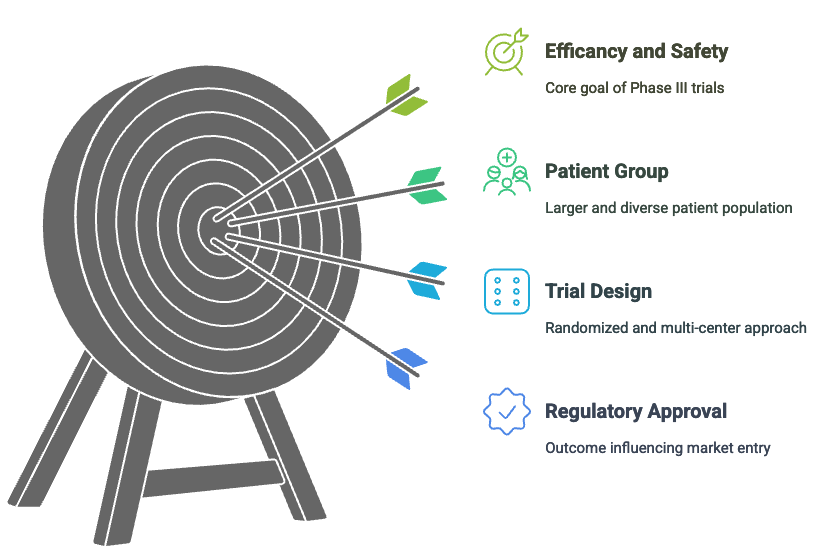
The primary goal of Phase III trials is to establish the efficacy and safety of a new treatment in comparison to existing standard therapies or placebos. This phase is critical as it provides the substantial evidence needed to support the regulatory approval process. Phase III trials often determine whether a new treatment offers a significant benefit to a specific population and collect valuable data on how the treatment affects people’s quality of life, including any potential side effects that might not have been fully understood in earlier phases.
How Phase III Trials Work
Phase III studies are conducted on a much larger and more diverse group of patients compared to earlier stages. These trials are usually multi-center, meaning they take place at various locations and can even span multiple countries. This extensive scope helps to gather data that is representative of the general population.
The trials are often randomized, a method where participants are randomly assigned to either the group receiving the treatment under study or to a group receiving a standard treatment or placebo. This approach helps to eliminate bias and ensures the results are solely due to the treatment itself rather than external factors.
The Significance of Phase III Results
The results from Phase III trials are pivotal; they not only influence whether a treatment will enter the market but also shape future research directions and treatment protocols. About 25-30% of medications that enter Phase III trials progress to Phase IV, indicating the stringent nature of this phase.
Conclusion
Phase III clinical trials are essential for confirming that new treatments are effective and safe before they become widely available to the public. By participating in these trials, patients contribute to the development of new medical therapies and gain access to new treatments before they are officially approved. Our platform offers detailed information on various ongoing Phase III trials, providing an invaluable resource for those interested in participating in the advancement of medical science.
We encourage you to read our comprehensive article that covers all phases of clinical treatment and patient care.