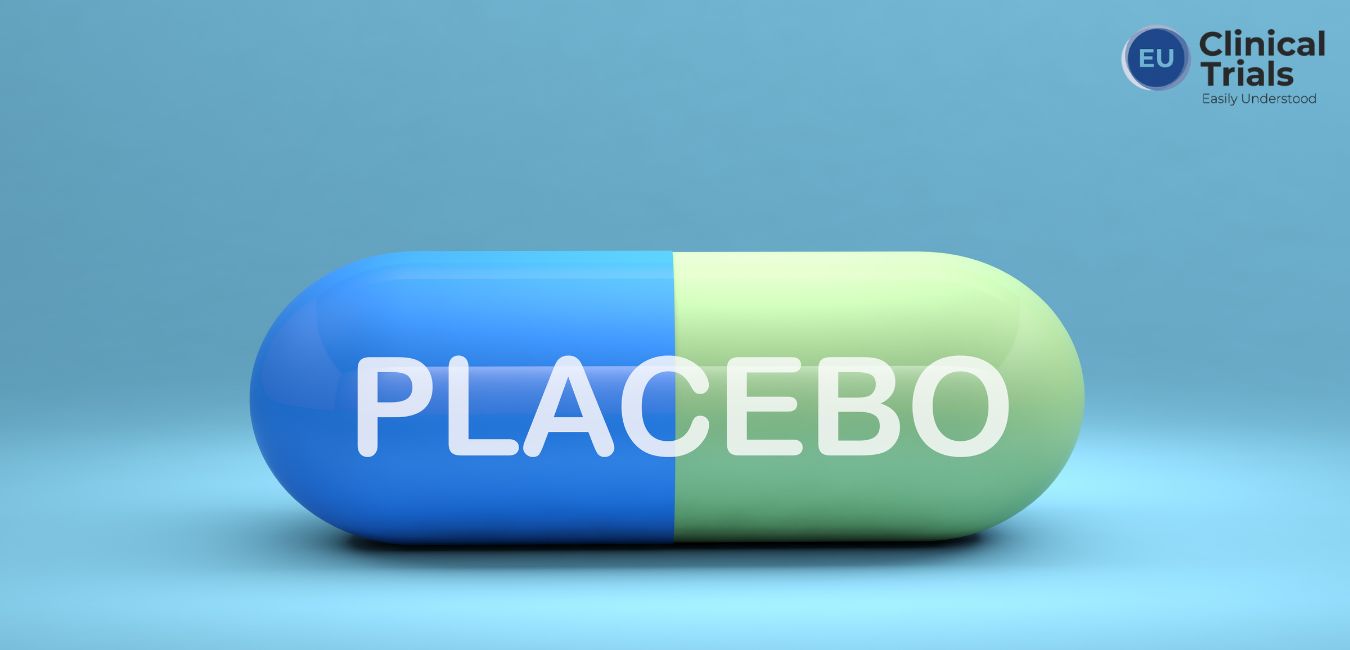
What is a Placebo?
A placebo is a substance designed to look like the real treatment but it has no therapeutic effect. Placebos help researchers compare outcomes between the actual treatment and “no treatment” to determine if the new therapy is effective.
The Placebo Effect: Why Some Patients Feel Better
The placebo effect is an improvement in symptoms that occurs simply because patients believe they are receiving treatment, even if it’s just a placebo. The power of this effect highlights the mind-body connection and can be influenced by factors like the appearance of the placebo and the patient’s expectations.
Summary: The placebo effect demonstrates how belief in treatment alone can sometimes improve symptoms.
Active Treatment vs. Placebo: What’s the Difference?

The Role of Placebo-Controlled Trials
Placebo-controlled trials are key for understanding whether a treatment truly benefits patients. By comparing the active treatment group with the placebo group, researchers can identify any real improvements due to the treatment itself. However, not all trials use placebos; some compare new treatments with existing therapies, especially if withholding treatment could be risky.
Types of Placebo-Controlled Trials
- Single-blind trials: Only participants do not know whether they receive the treatment or placebo.
- Double-blind trials: Both participants and researchers are unaware of who receives the treatment or placebo. This method reduces bias and helps ensure accurate results.
- Open-label placebo trials: Patients are informed they are receiving a placebo. Surprisingly, even knowing this, some patients still experience symptom improvement, as the act of taking “treatment” and the attention from healthcare providers can contribute to feeling better.
Summary: Placebo-controlled trials help determine if a treatment offers real benefits, though not all trials include placebos, particularly when it might be unsafe to withhold treatment.
Non-Placebo Studies: Why They Matter
In non-placebo studies, all participants receive active treatment. This approach is preferred by patients who want immediate access to a new therapy. On our platform, these trials are marked with an extra star for easy identification, as they provide greater certainty that participants will receive active treatment, not a placebo.
Summary: Non-placebo studies guarantee that all participants receive active treatment, and these trials are highlighted on our platform for patient convenience.
How We Rate Clinical Trials on Our Platform
To help you find the right trials, our platform highlights placebo-free trials with an extra star. This allows you to quickly spot studies where you’re guaranteed active treatment if that’s your preference.
If you are interested in further understanding how we evaluate and score the trials listed on our platform, we invite you to read our detailed article.
Key Takeaways
- Placebos are inactive substances used in trials to measure a new treatment’s effectiveness.
- Placebo-controlled trials help establish if a treatment has a real impact.
- Some trials do not use placebos, which we highlight for easy identification on our platform.
- Knowing if a trial involves a placebo can help you make informed choices about participating.